Dublin Core
Title
Bab Mkabar
Description
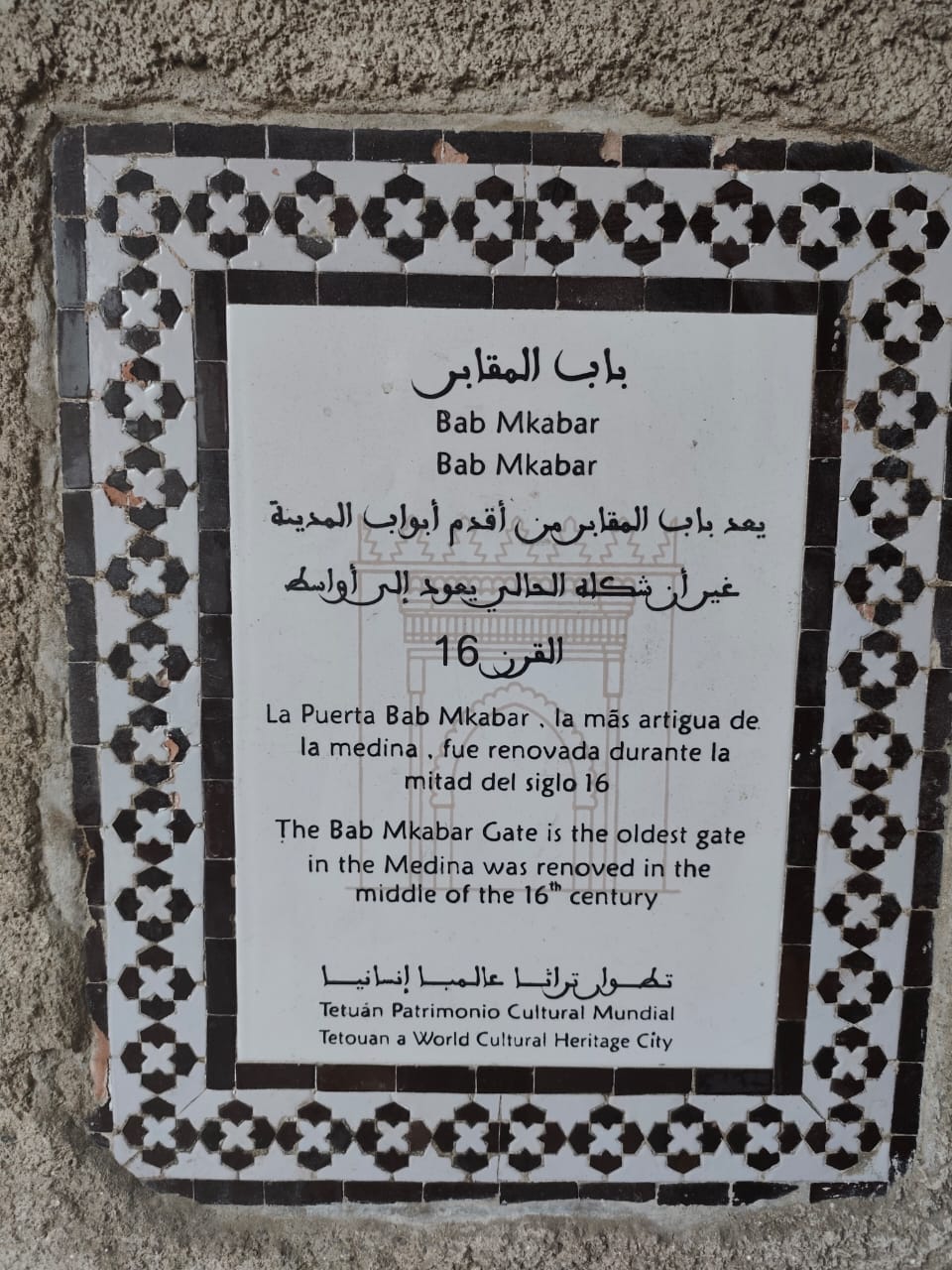
Bab Mkabar is one of the oldest historic gates of the medina of Tetouan in northern Morocco. The gate dates back to the period following the reconstruction of Tetouan around 1484 by the Andalusian leader Sidi Ali al-Mandri and Muslim and Jewish refugees who arrived from Al-Andalus after the Reconquista. Built as part of the city’s defensive walls during the late fifteenth century, Bab Mkabar controlled access to areas located outside the medina, including nearby cemeteries, from which the gate derives its name (“Bab al-Maqabir,” or “Gate of the Cemeteries”).
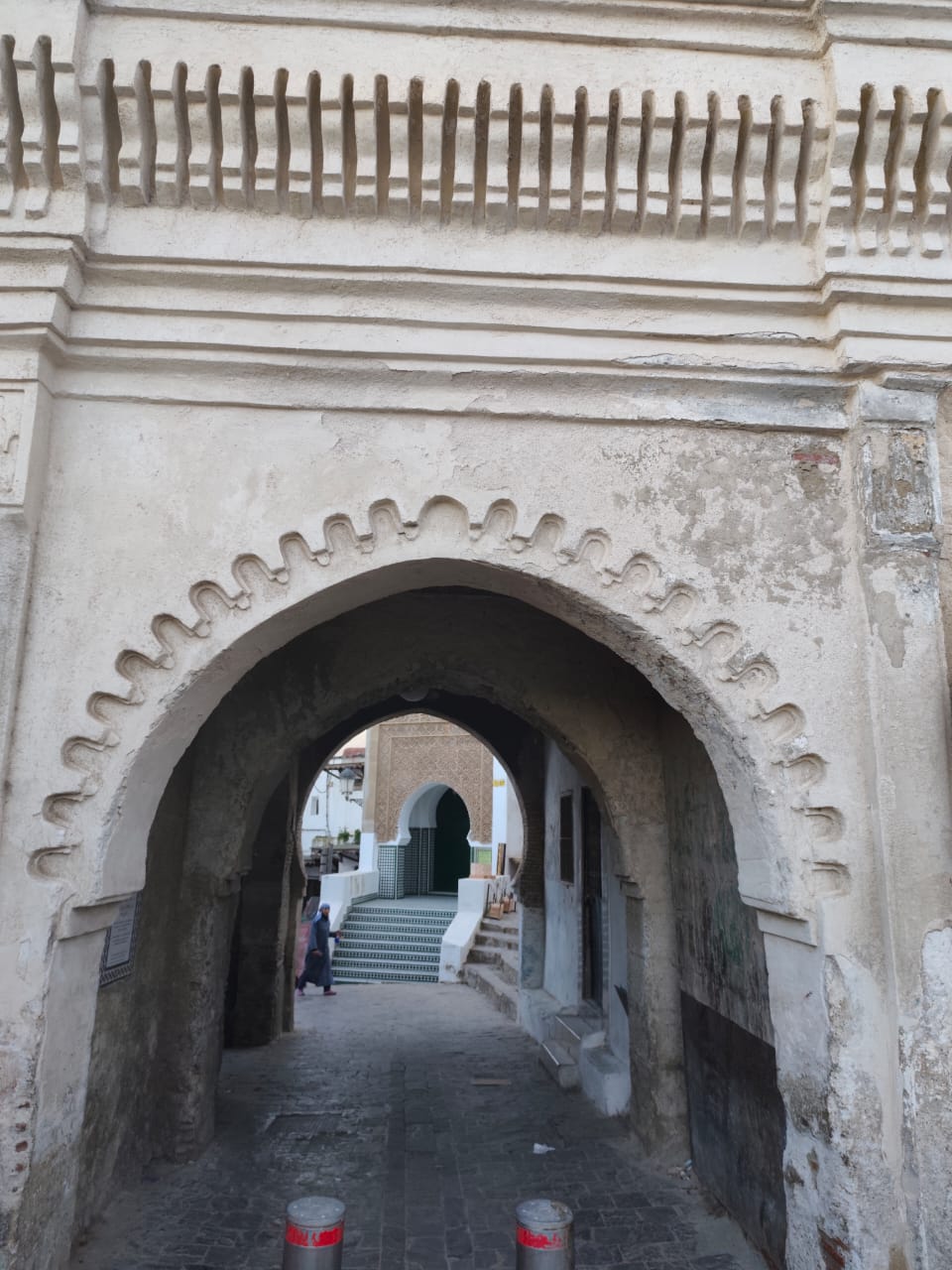
Historical records indicate that the gate was renovated during the middle of the sixteenth century, most likely during the Saadian period, when Tetouan experienced important urban and military development. Architecturally, Bab Mkabar preserves characteristic elements of Hispano-Moorish and Moroccan military architecture, especially its horseshoe arch and fortified entrance passage.
Today, Bab Mkabar remains an important symbol of Tetouan’s Andalusian heritage and one of the surviving witnesses to the city’s early urban history.
Historical records indicate that the gate was renovated during the middle of the sixteenth century, most likely during the Saadian period, when Tetouan experienced important urban and military development. Architecturally, Bab Mkabar preserves characteristic elements of Hispano-Moorish and Moroccan military architecture, especially its horseshoe arch and fortified entrance passage.
Today, Bab Mkabar remains an important symbol of Tetouan’s Andalusian heritage and one of the surviving witnesses to the city’s early urban history.